Trying to choose between a home in an HOA community and a condo in Calvert County? The decision shapes your monthly costs, maintenance workload, and even your loan options. If you are eyeing waterfront or bayside locations, there are a few extra layers to consider. In this guide, you will learn the key differences, what fees cover, financing implications, coastal factors, and a practical checklist to help you buy with confidence. Let’s dive in.
HOA vs. condo basics
An HOA typically governs a planned community of single-family homes or townhomes. You own the home and lot, and the HOA manages shared spaces and amenities using recorded covenants, conditions and restrictions. A condo association governs a building or complex where you own your unit’s interior and share ownership of common elements like the roof, exterior, hallways, and grounds.
Both structures have boards elected by owners. The legal framework differs. Condos operate under state condominium statutes that define association powers and disclosures. HOAs are usually guided by recorded covenants and nonprofit corporate law. For you, the practical difference is what you own, what gets maintained by the association, and how lenders evaluate the property.
What your fees cover
In an HOA community, dues often fund common area landscaping, private roads if any, amenity upkeep, and services like trash or snow removal. Exterior maintenance for your home is usually your responsibility unless the governing documents say otherwise. Amenities and services vary by community, which is why HOA dues can differ widely.
In a condo, fees typically cover building exterior maintenance, roofs, common utilities, elevators, and association insurance for common structures. You generally handle interior repairs. It is important to confirm exactly what the condo’s master policy covers and where your personal condo policy begins.
Strong associations maintain reserves for predictable big-ticket items like roofs, roads, or bulkheads. If reserves are weak, special assessments may follow. Review the current budget, financial statements, and any recent reserve study to understand whether fees are realistic for future needs.
Financing differences to expect
Condominiums often face project-level underwriting. Many lenders and government programs review the condo’s financial health, owner-occupancy ratios, delinquencies, and commercial usage before approving loans. If a condo project does not meet those standards, your mortgage options may be limited or costlier.
HOA properties are fee-simple homes, so lenders typically underwrite the individual property rather than the entire community. Project-level approvals are less common. If you plan to use FHA, VA, or conventional financing for a condo, confirm the project’s eligibility early so you are not surprised later in the process.
Maintenance responsibilities in Calvert County
For condos, the association often maintains the exterior, structure, roof, and shared systems. Owners typically handle interiors. Window and door responsibility can vary based on how the declaration defines the unit, so read those definitions closely.
For HOAs with single-family homes, you usually maintain your home’s exterior and yard. The HOA maintains common areas and amenities. Some communities offer limited exterior maintenance, so confirm what is included.
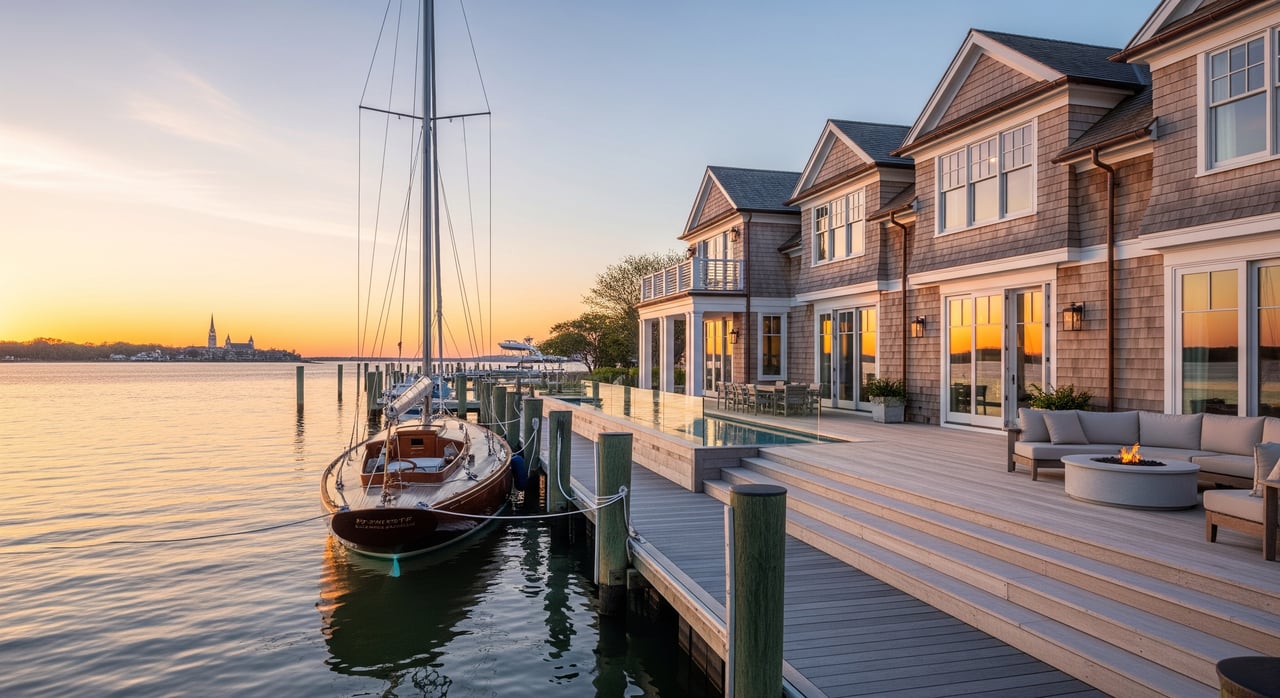
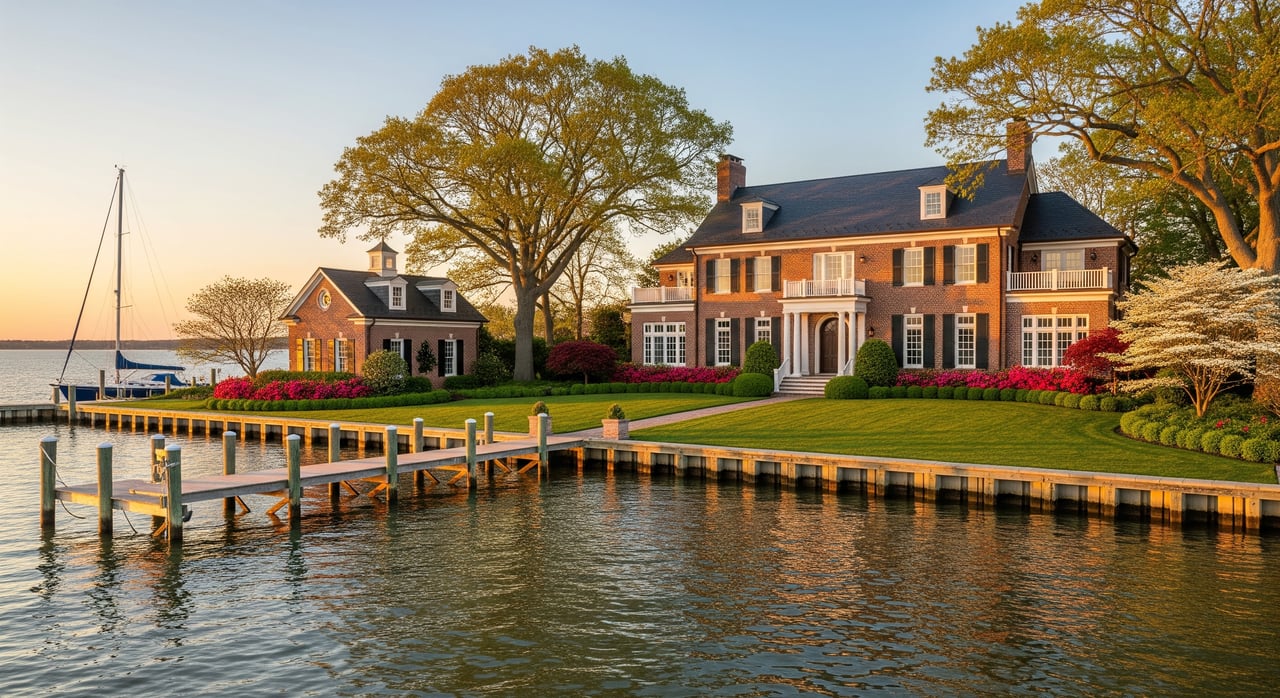
Waterfront ownership is a special case in Calvert County, which includes Chesapeake Bay and Patuxent River shorelines, Solomons, and bayside neighborhoods. Clarify who maintains and insures bulkheads, riprap, seawalls, and community docks. That responsibility might be the association’s or the individual owner’s, and it can significantly affect your costs.
Many shoreline properties are within Maryland’s Critical Area, and local Calvert County shoreline regulations apply to docks, seawalls, and stabilization work. Permits and approved methods, such as living shorelines, can affect timelines and budgets. Flood risk also matters. Some homes and condo buildings are in FEMA flood zones, and lenders may require flood insurance. Confirm whether the association carries a flood policy for common structures and what personal coverage you need.
Governance, rules, and resale package
Both HOAs and condos are run by boards that set budgets, enforce rules, and can levy fines or special assessments as allowed by their documents and state law. You should understand how directors are elected, how meetings are run, and what access owners have to financials and minutes.
When you go under contract, request the full resale package or estoppel materials. Review the declaration or CC&Rs, bylaws, and rules. Study the current budget, recent financial statements, reserve study, and board meeting minutes. Ask for the association’s insurance certificate, any disclosure of pending litigation, and a status letter that shows assessment balances, delinquencies, and any special assessments due.
In Maryland, timelines and fees for resale documents are governed by state law and the association’s governing documents. Ensure you have enough time in your contract to review and, if necessary, cancel within the allowed period if the documents reveal unacceptable risks.
Practical checklist for Calvert County buyers
Key questions to ask
- What is the current fee and exactly what does it cover, such as utilities, insurance, reserves, road maintenance, trash, and amenities?
- Are there any pending or recent special assessments? What are the amounts and schedules?
- What is the reserve fund balance and is there a recent reserve study?
- Is the association self-managed or professionally managed? Who is the contact?
- What insurance does the association carry and what are the deductibles and limits? Are you required to carry an HO-6 or specific coverage?
- Are there restrictions on rentals, pets, renovations, or short-term use of boat slips or docks?
- Who maintains and insures bulkheads, seawalls, and docks? Are there recorded rules for riparian rights or boat slips?
- Is the home or building in a FEMA flood zone? Is flood insurance required by the lender?
- Is there any pending litigation involving the association or developer warranties?
- Are there upcoming capital projects that could trigger assessments, like roof or road replacements or bulkhead repairs?
- What is the parking policy, especially in condo and beach communities?
Documents to obtain
- Full resale package or estoppel certificate, plus the declaration, bylaws or CC&Rs
- Current budget, recent financials, reserve study
- Board meeting minutes for the last 6 to 12 months
- Association insurance certificates and master policy summary
- Any recent engineering reports, especially for waterfront structures
- Rules and regulations, management contract, and a unit ledger for amounts owed by the seller
- Local items such as FEMA flood maps, county shoreline or Critical Area permits or restrictions, tax records, and recorded easements
Steps before you close
- Have your lender confirm condo project eligibility early if you are buying a condo.
- Read the minutes to identify disputes, large projects, or approval denials.
- Consult a Maryland real estate attorney if documents reveal litigation, unclear responsibilities, or weak reserves.
- For waterfront properties, schedule a professional inspection of docks and bulkheads, and confirm permitted shoreline work with the county or state.
- Review the association’s master insurance and clarify what you must insure personally.
Trade-offs and how to choose
Condos can be appealing if you prefer less hands-on maintenance since the association often manages the building exterior and many systems. Fees may be higher because those systems and common utilities are included. HOA properties often offer more control over your home’s exterior and may have lower dues if there are fewer shared amenities, though you may handle more of the maintenance yourself.
If you are drawn to bayfront or riverfront living, decide how comfortable you are with shoreline responsibilities. A community that maintains docks or seawalls might be simpler to own but could come with higher dues. A property where you own and maintain those structures can offer control but adds cost and coordination.
Watch for red flags, such as very low dues with minimal reserves, frequent special assessments, ongoing litigation, high delinquency rates, restrictive rules that conflict with your plans, unclear shoreline responsibilities, or condo projects that may not meet common lender standards.
Local snapshots: where you will see each
- Waterfront and marina-oriented living is common in Solomons and along Chesapeake Bay and Patuxent River shorelines. Many communities share docks or seawalls, and responsibilities can vary by association.
- Suburban planned neighborhoods around Prince Frederick and along the MD 4 corridor typically have HOAs, with parks, sidewalks, and playgrounds.
- Smaller condo and townhouse communities appear in bayside towns, including areas near Chesapeake Beach and North Beach, where parking rules and seasonal use patterns may matter.
The bottom line
Choosing between an HOA home and a condo in Calvert County comes down to how you want to live, what you want to maintain, and how you plan to finance the purchase. If you understand fee structures, reserves, and responsibility for shoreline features, you can match the property type to your budget and lifestyle.
If you would like help reviewing documents or aligning your goals with the right community, connect with a local advisor who knows both suburban and waterfront nuances. Reach out to Jeannine Wayson to talk through your plans and schedule a free consultation.
FAQs
What is the main difference between an HOA and a condo association in Calvert County?
- In an HOA you usually own the home and lot and the association manages shared spaces, while in a condo you own your unit’s interior and share ownership and maintenance of common elements like the exterior and roof.
How do condo fees compare to HOA dues for local buyers?
- Condo fees are often higher because they include exterior building maintenance and common systems, while HOA dues may be lower but you typically handle more of your home’s exterior upkeep.
Do condos in Calvert County need special mortgage approvals?
- Many lenders review the condo project’s financial health and other factors, so you should confirm project eligibility early if you plan to use FHA, VA, or conventional condo financing.
Who maintains docks or bulkheads for waterfront homes or condos?
- It depends on the governing documents; responsibilities can rest with the association if those features are common elements or with the individual owner if they are part of the property.
What should I review in the resale package before I buy?
- Read the declaration or CC&Rs, bylaws, rules, budget, financials, reserve study, recent board minutes, insurance certificates, any litigation disclosures, and the status or estoppel letter showing assessments and fees.
Do I need flood insurance for a bayfront condo or home in Calvert County?
- If the property is in a FEMA Special Flood Hazard Area your lender may require flood insurance; confirm whether the association has a master flood policy and what personal coverage you will need.