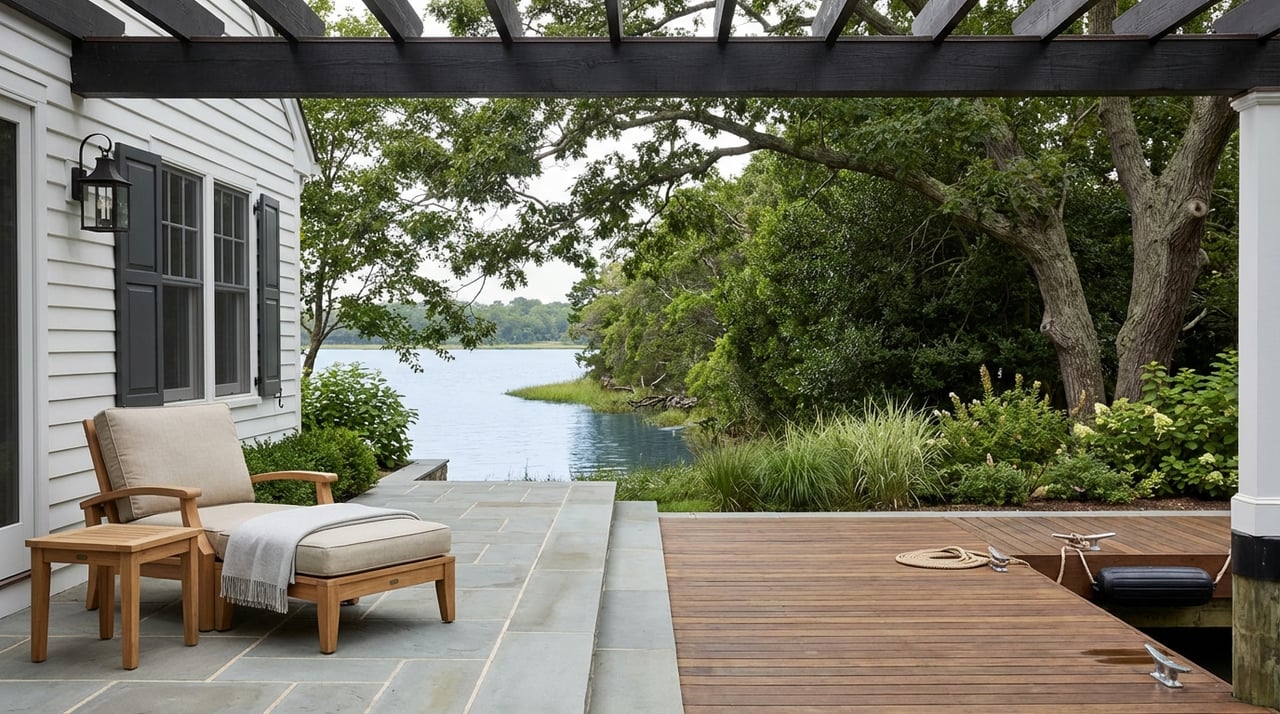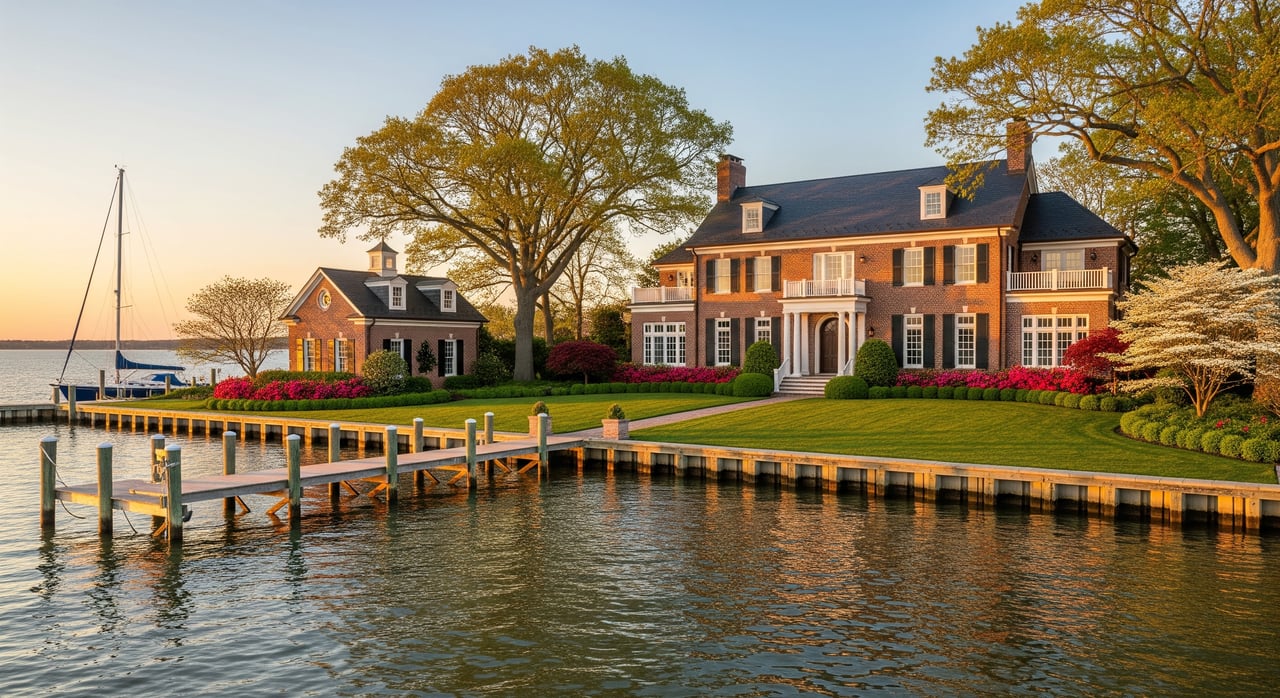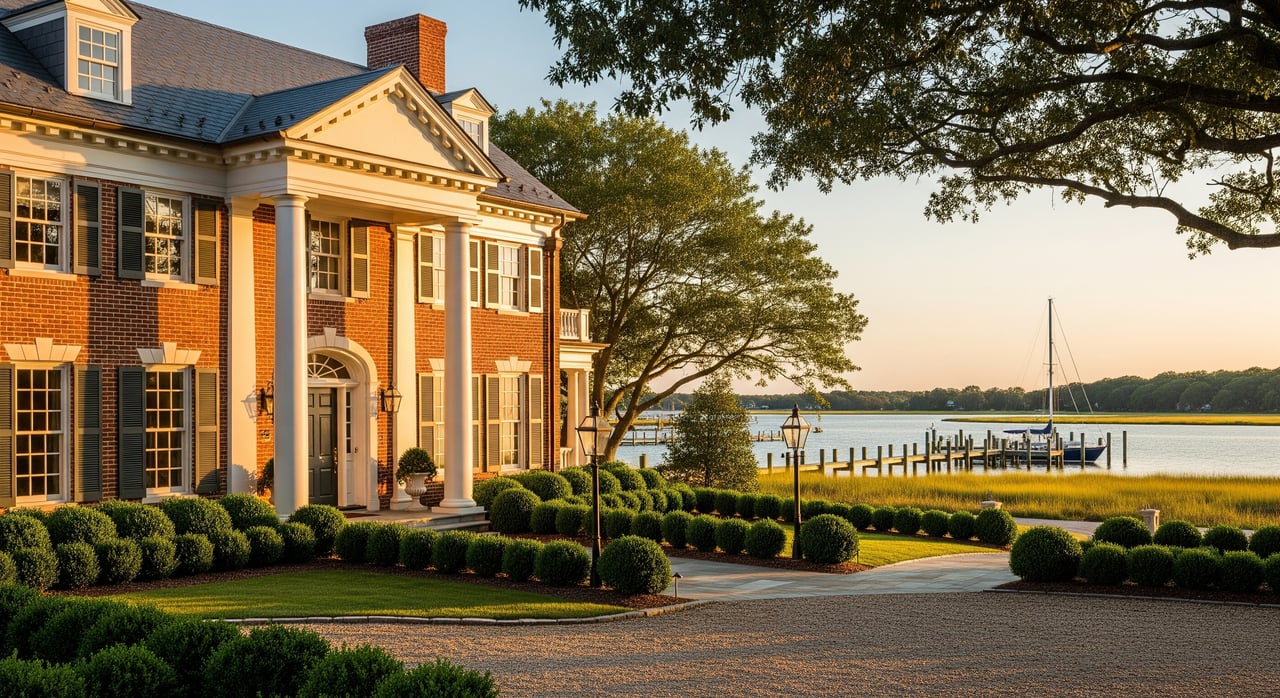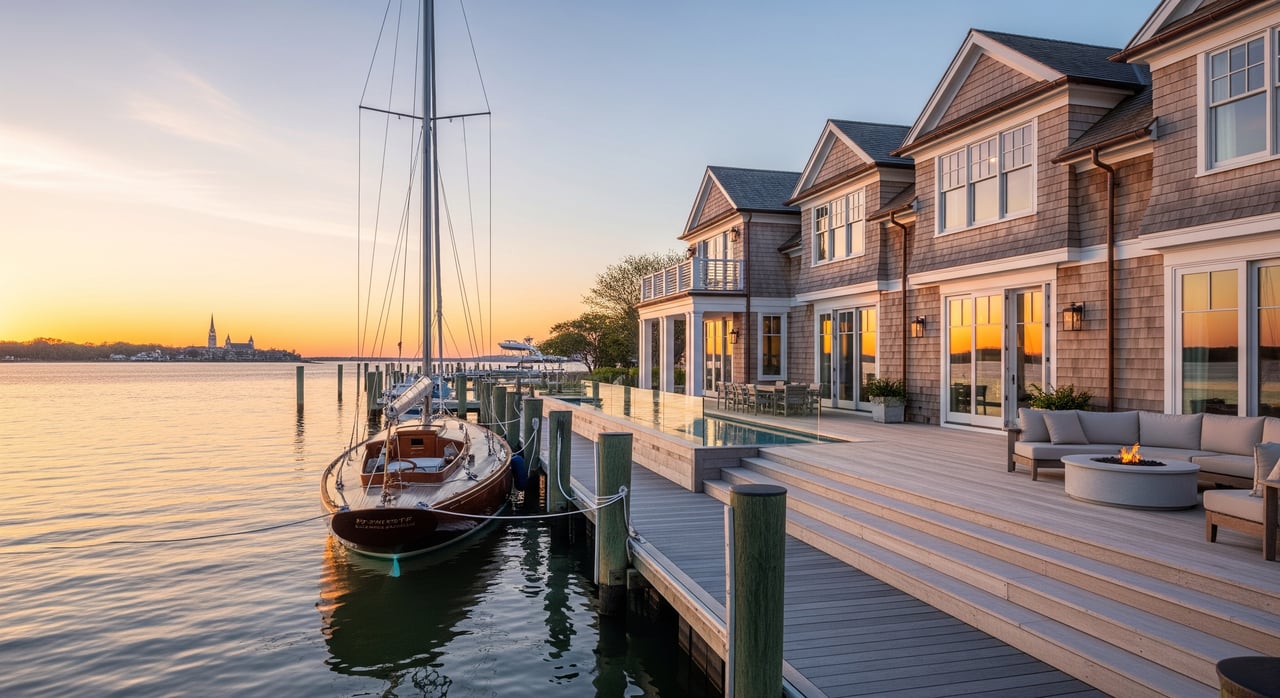
Picture this: your morning coffee on a quiet pier, paddleboard at the ready, with sails dotting the Severn River. If you are considering an Annapolis waterfront home, that scene can be your everyday. You also want a clear view of costs, maintenance, insurance, and permits before you buy. This guide shows you what daily life looks like, which areas to consider, and how to evaluate a property with confidence. Let’s dive in.
Annapolis waterfront areas
Harborfront and downtown
Historic streets meet the water near City Dock. You will find walkable blocks, restaurants, and some condos or rowhomes with water views. Properties may have limited private water access, but you can often reach marinas and community docks on foot.
Creeks and tidal tributaries
Spa Creek, Back Creek, and Weems Creek offer protected water and a calmer setting. Many homes have private piers or community docks. Water depth and channel access vary by cove, so check depth at low tide if you plan to keep a larger boat.
Severn River shoreline
The Severn River has sections of deeper water, estate-scale lots, and wider views. Some sites suit larger vessels. Exposure to wind and wake can differ block to block, which affects comfort and maintenance.
Marina and cove communities
Planned communities and condo developments may include shared marinas, slips with utilities, and maintenance handled by an HOA. Fees can be higher, but the tradeoff is convenience and services.
Nearby shores that live like Annapolis
Eastport, parts of West Annapolis, the Broadneck Peninsula, and areas along the South River often appear on Annapolis buyers’ shortlists. They share the same boating culture and access to downtown amenities.
Daily life on the water
Boating and marine culture
Sailing, powerboating, kayaking, and paddleboarding are everyday pastimes. Neighborhoods often have slips, boat ramps, or community piers. Annapolis is a national sailing hub, with events and boat shows shaping the local calendar.
Walkability, dining, and social life
Near downtown and the harbor, you can walk to waterfront restaurants, markets, and parks. In Eastport and in-town harbors, it is common to walk to a slip, then meet friends at a nearby pub or festival.
Commuting and access
Living on the waterfront is convenient for local errands and Naval Academy activities. Many residents work locally, while some commute to Baltimore or Washington by car. Weekend day trips on the Chesapeake become part of your routine.
Noise, privacy, and events
You will hear boat engines, horns, and marina activity, especially in season. Privacy varies by lot layout and shoreline use. Neighborhood norms often include shoreline care and coordination on wakes and dock use.
Home types and features
Common property types
- Single-family homes, from historic cottages near downtown to mid-century and modern riverfront estates.
- Condos and townhomes near City Dock or in marina settings, sometimes with shared slips.
- Historic rowhouses with views, often with limited private water access.
- Canal and cove cottages on smaller lots that suit smaller boats.
Shoreline and infrastructure
- Bulkheads and seawalls. Condition drives value and maintenance costs. Replacement can be significant.
- Docks and lifts. Capacity, water depth at the end of the pier, utilities at the slip, and lift condition matter.
- Moorings versus slips. Moorings can cost less but require a dinghy. Shared marinas reduce personal maintenance, but include fees.
- Utilities and septic. Some areas are on public sewer, others use septic systems, which affects renovations and permits.
Architecture and construction
- Historic district homes may require exterior change approvals.
- Coastal building choices, like elevated foundations and corrosion-resistant materials, help protect against salt air and storms.
Costs, risks, and insurance
Waterfront homes usually trade at a premium because of views, access, and scarcity. Value swings with water depth, dock quality, lot size, and proximity to downtown. Appraisals can be complex because each shoreline lot is unique.
Many parcels sit in FEMA flood zones. Review your property’s designation on the FEMA Flood Map Service Center and obtain an elevation certificate if needed. Lenders will require flood insurance if the home is in a Special Flood Hazard Area.
Long-term risk comes from tides, storm surge, and sea-level rise. For context and planning, see NOAA’s sea-level trends resources. Coastal wind exposure from nor’easters and tropical systems can affect insurance choices.
Ongoing costs include dock and bulkhead maintenance, corrosion from salt exposure, HOA or marina fees, and exterior upkeep. Budget for periodic pier and bulkhead repairs, and confirm permitting requirements before you plan major work.
Permits and approvals
Waterfront work often requires more than a standard building permit. Start with state and federal guidance. You can review Maryland DNR guidance on tidal waters and permits and the U.S. Army Corps of Engineers regulatory permit process for work in navigable waters.
For local approvals, contact Anne Arundel County’s Office of Planning and Zoning and the City of Annapolis if the property is within city limits. Homes in the downtown historic district may need review by Annapolis Historic Preservation. If the property has a septic system, check permitting and inspection requirements with the Anne Arundel County Health Department.
Buyer checklist
Before you sign a contract, verify the details that will shape your use and costs:
- Waterfront access: private dock, community dock, assigned slip, or mooring. Confirm water depth at low tide and any dredging records.
- Dock and permit history: proof that the pier and pilings were permitted, and whether permits transfer. Address any violations.
- Bulkhead and shoreline: condition, last major repair date, and any warranties or contractor documentation.
- Flood zone and elevation: FEMA map designation and an elevation certificate. Ask about recent flooding on the lot.
- Utilities and waste: public sewer versus septic. If septic, get service history and permits.
- Erosion and landscaping: look for signs of shoreline wear or trees at risk.
- HOA or marina fees: slip assignment rules, waitlists, fee schedules, and dredging policies.
- Historic district limits: if applicable, understand exterior change requirements.
- Insurance quotes: homeowners and flood, from both NFIP and private markets.
- Boat compatibility: boat size limits, lift capacity, and power or water at the slip.
Recommended specialists:
- Home inspector with waterfront experience.
- Marine contractor for docks, pilings, and lifts.
- Structural engineer if bulkhead or foundation issues are suspected.
- Environmental assessor for wetlands or erosion concerns.
- Surveyor for mean high-water lines and shoreline boundaries.
Lifestyle trade-offs
Benefits
- Immediate access to boating and paddling, and a strong maritime community.
- Walkable dining and events in select areas, plus scenic views.
- Potential for stronger appreciation in prime locations.
Considerations
- Higher purchase price, insurance, and maintenance.
- Salt air, storms, and tidal flooding risk.
- Seasonal noise and activity from marinas and festivals.
- Regulatory steps for shoreline projects and historic exteriors.
For a cultural snapshot and educational programs, the Annapolis Maritime Museum & Park offers local history and environmental context.
Next steps
If waterfront living fits your goals, start with clarity on permits, depth, insurance, and maintenance budgets. Then match neighborhoods to your boating style and daily routine. With the right advisor, you can balance lifestyle and long-term protection.
When you are ready to tour, compare, and negotiate, connect with Jeannine Wayson for expert, client-first guidance backed by decades of Annapolis waterfront experience. Let’s make a smart, confident move together.
FAQs
What types of Annapolis waterfront access fit different boaters?
- Private docks and marina slips work for larger boats with utilities, while moorings cost less but require a dinghy and add steps to reach your vessel.
How do I confirm a dock is permitted before I buy?
- Ask for permit records from the seller and verify with Maryland DNR and local authorities, then ensure permits transfer with the property where applicable.
Will I need flood insurance on an Annapolis waterfront home?
- If the home is in a FEMA Special Flood Hazard Area, your lender will require it, so check the address on the FEMA Flood Map Service Center and get an elevation certificate.
How can I check water depth at a private pier?
- Confirm depth at mean low water, review any dredging history, and have a marine contractor measure and assess access to channels that suit your boat draft.
What are the long-term flooding risks around Annapolis?
- Tidal flooding and storm surge are key risks, and NOAA’s sea-level trends indicate rising water levels that buyers should consider when planning long-term ownership.
Why do waterfront homes cost more than inland homes?
- Waterfront premiums reflect views, direct access, and scarcity, and prices vary with depth, dock quality, lot size, and proximity to downtown amenities.
Which inspections are essential for a waterfront purchase?
- Hire a waterfront-savvy home inspector, a marine contractor for docks and bulkheads, and a surveyor to confirm mean high-water lines and shoreline boundaries.
How does living downtown differ from a Severn River estate or a creek cove?
- Downtown emphasizes walkability and events with limited private access, riverfront estates offer space and deeper water, and protected coves provide calmer water for smaller boats.