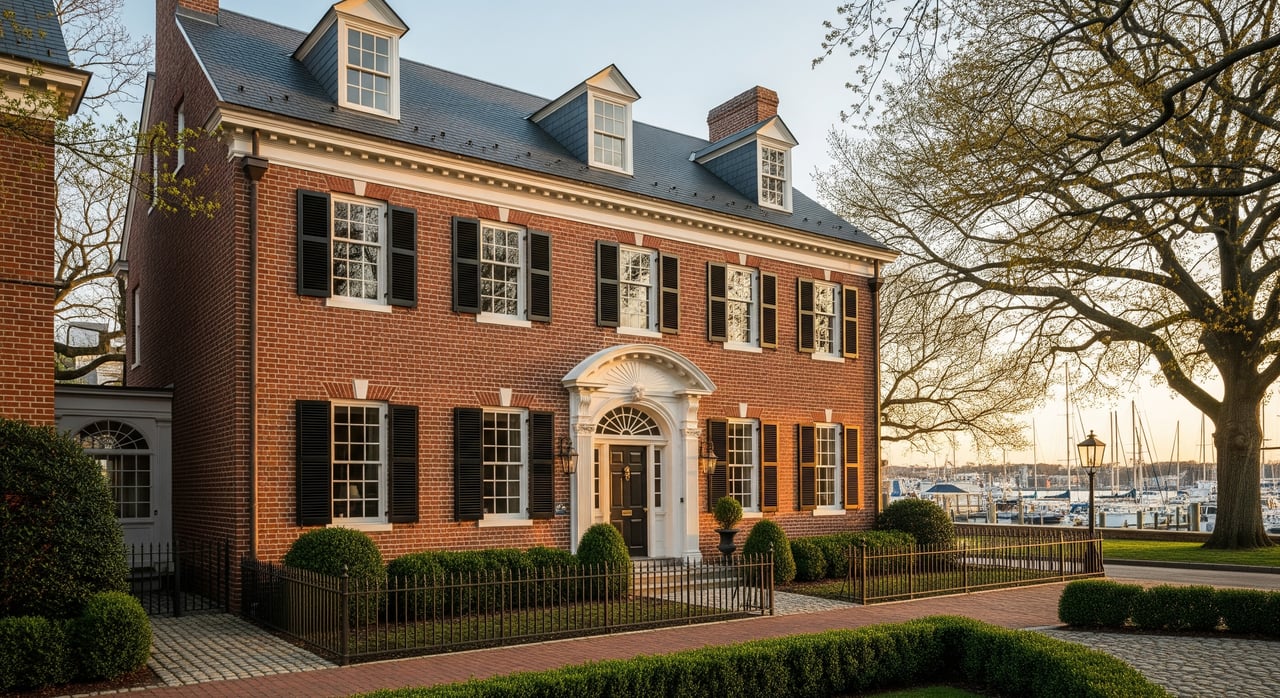
Is the charm of brick streets, clapboard siding, and centuries-old details calling your name? If you are eyeing a historic home in Annapolis, you want character without costly surprises. In this guide, you will learn how designations work, what approvals you need, which inspections to order, and how to budget for preservation-minded upgrades. Let’s dive in.
Know your historic designation
Buying in Annapolis starts with understanding how a property is designated. Designations determine what you can change on the exterior and which incentives you might access.
Types of designation you will see
- Local historic district or local designation: This is the most important for you as a homeowner. Local review usually governs any exterior changes visible from public ways, such as paint colors, windows, doors, roofing, porches, additions, and demolition.
- State-level listing with the Maryland Historical Trust: This provides survey information, technical guidance, and sometimes grants, loans, or tax-credit programs for eligible projects.
- National Register of Historic Places or National Historic Landmark: These are recognitions that can affect eligibility for incentives. Listing alone typically does not restrict a private owner unless federal permits or funding are involved.
What this means for your plans
- Local designation carries the strongest controls. Expect a review for visible changes on properties within a local district.
- State and national listings are mostly about recognition and incentives. They do not automatically require design review.
- Separate preservation easements or covenants can add requirements. These may regulate both exterior and interior features, independent of city rules.
How to confirm a property’s status
- Contact the City of Annapolis Historic Preservation staff or Planning and Zoning for local district maps and property records.
- Check Maryland Historical Trust databases for state listings, and National Register resources for federal recognition.
- Ask the seller or listing agent for any recorded preservation easements or covenants that run with the property.
What changes require approval in Annapolis
If your property sits within a local historic district, assume exterior work visible from the street will be reviewed.
Who reviews your project
- City staff and the historic preservation commission review projects in local districts. Staff can advise you on what requires a formal hearing and what can be handled administratively.
What is regulated vs. not regulated
- Typically regulated: façades, windows, doors, roofing, porches, additions, signage, and any exterior elements visible from public ways.
- Typically not regulated: interiors, unless a preservation easement or covenant specifically protects them.
Typical approval steps
- Pre-application consultation with preservation staff. This is highly recommended.
- Submit an application with drawings, photos, and material samples.
- Staff review, then either administrative approval or a scheduled commission hearing.
- Commission decision: approval, approval with conditions, or denial.
- Building permit review. This may run in parallel but often depends on commission approval.
Timelines and contingencies
- Staff-level approvals can take days to a few weeks.
- Projects requiring a commission hearing can take several weeks to a few months, depending on meeting schedules and the completeness of your materials.
- Build time contingencies into your offer and renovation plan to reduce stress.
Demolition and emergencies
- Demolition often triggers special review and possible delay provisions.
- Emergency stabilization to make a structure safe usually proceeds, but coordinate with staff and document the work.
Architectural styles you will find
Annapolis offers a rare spectrum of American architecture. Knowing the common styles can help you understand likely materials, maintenance needs, and review considerations.
Colonial, Georgian, Federal, and Greek Revival
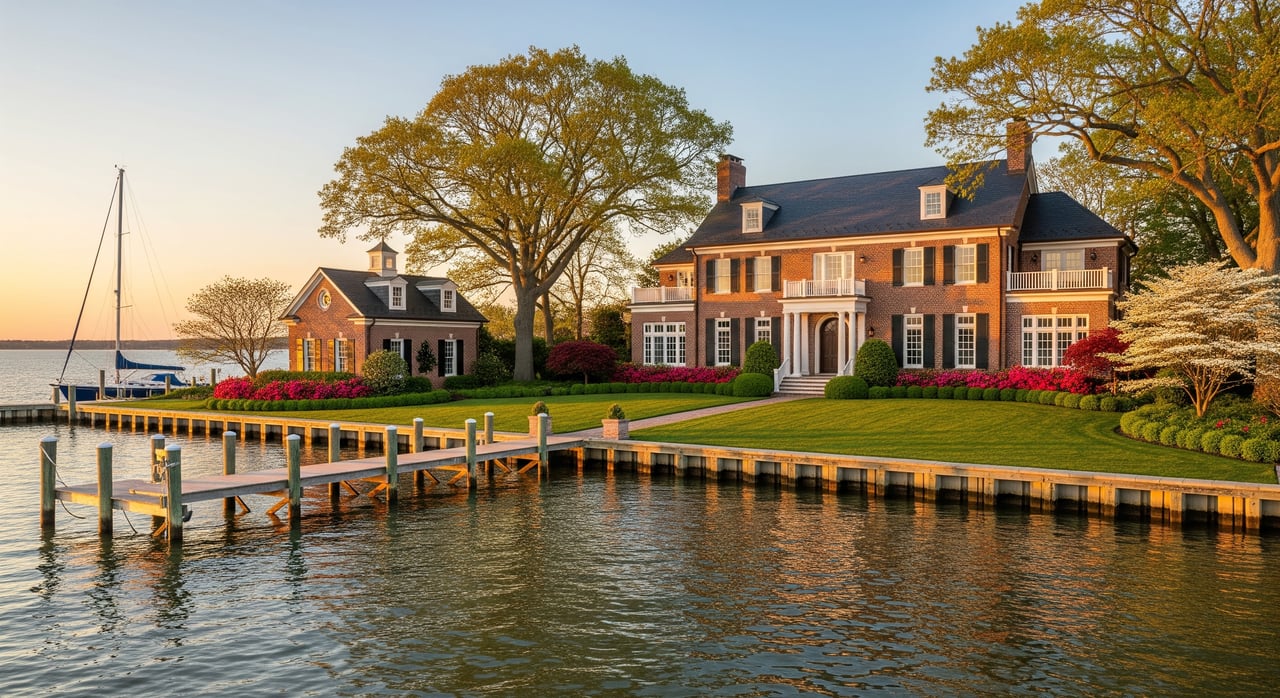
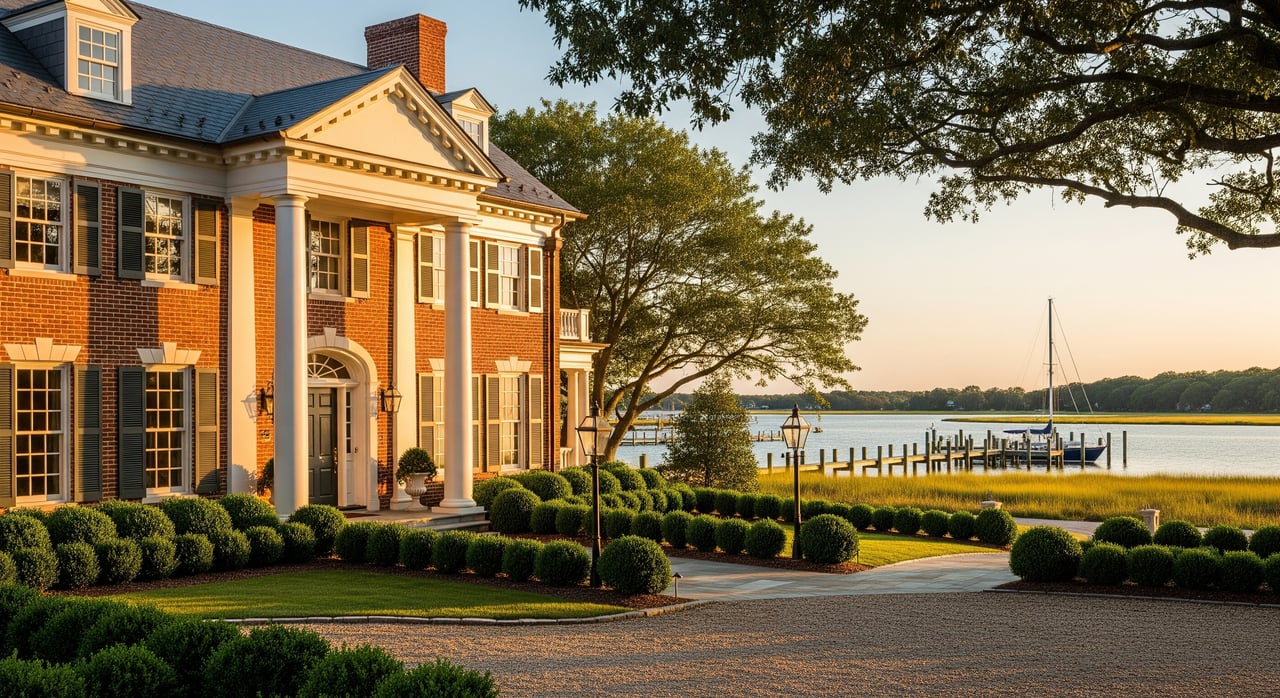
- 18th and early 19th-century homes often feature symmetrical façades, brick construction, gabled or gambrel roofs, central entrances with transoms, and double-hung sash windows.
- Federal and Greek Revival examples include refined proportions, fanlights and sidelights, decorative door surrounds, and wood or brick exteriors.
Victorian-era and vernacular homes
- Italianate, Second Empire, and Queen Anne details appear in some neighborhoods, with brackets, mansard roofs, and ornate trim.
- Vernacular forms include wood-frame clapboard houses, rowhouses, and small cottages that reflect local traditions.
Common materials and site conditions
- Expect brick masonry, wood clapboard, wood shutters, wood sash windows with muntins, and slate or cedar roofs on older homes.
- Downtown Annapolis often has narrow lots, close setbacks, and alley access, which can affect contractor staging and project logistics.
Typical age-related issues
- Settlement, masonry deterioration, failing mortar, and rot in porches and sills are common.
- Original single-pane sash windows may have failing glazing or weather stripping.
- Older systems often need attention: HVAC, knob-and-tube wiring, and galvanized plumbing are frequent candidates for upgrade.
- Lead-based paint hazards are common in older properties and should be addressed by qualified professionals.
Plan inspections and preservation-minded upgrades
A careful assessment will help you balance character, comfort, and cost over time.
Inspections to order
- Standard home inspection to assess overall condition.
- Specialist reviews: structural engineer for settlement, a qualified masonry or wall assessment, and a roof inspection, especially for slate.
- Mechanical, electrical, and plumbing evaluations to plan for modernization.
- Lead-based paint and asbestos inspections, given typical age and disclosure rules.
- A preservation-focused assessment to evaluate historic fabric, repair options, and likely treatments that align with preservation standards.
Repair vs. replacement
- Preservation standards favor repair in-kind when feasible. Examples include repairing original wood windows, repointing masonry with compatible mortar, and patching or consolidating deteriorated wood.
- Replacement may be necessary for severely deteriorated elements. Historically accurate materials and profiles maintain compatibility but can cost more.
Sensible upgrades for comfort and efficiency
- Window conservation: targeted sash repair, weather-stripping, and storm windows can improve efficiency while preserving original fabric.
- Insulation and air sealing: focus on non-invasive improvements such as attic insulation and sealing gaps.
- Systems modernization: right-size HVAC, electrical rewiring, and updated plumbing, planned to limit disruption to historic materials.
- Roof protection: repair or replace with appropriate materials, such as slate or cedar, or compatible substitutes where allowed.
Budget smart for historic homes
Older homes in Annapolis, Anne Arundel County, and across Maryland can require higher up-front investment. A clear budget reduces surprises and keeps projects on track.
Key cost drivers
- Material choices: slate, cedar, and authentic wood profiles cost more.
- Skilled labor: preservation carpenters, masons, and roofers often command premium rates.
- Site access: narrow downtown lots can add time and staging expense.
- Hazardous materials: lead or asbestos abatement increases costs.
- Structural and foundation repairs: settlement and moisture issues can add scope.
- Soft costs: design and architect fees, preservation consultant support, application fees, and potential delay-related costs.
How to structure your budget
- Start with a preservation-focused condition assessment before you finalize offers.
- Seek multiple bids from contractors with documented historic experience.
- Carry a contingency, commonly 10 to 25 percent depending on age and condition.
- Align project phasing with approval timelines to minimize carrying costs.
Insurance and lifecycle costs
- Insurance premiums can be higher for older systems or roofs considered higher risk.
- Maintenance is ongoing. Historic materials age well with regular care, which protects long-term value.
Funding and incentives overview
Incentives can help, but programs vary and rules change, so verify current options.
What often applies
- Federal historic rehabilitation tax credits are typically for income-producing properties.
- States sometimes offer tax credits or grants. Many focus on commercial or income-producing rehabilitation. Eligibility varies.
- Local programs may include low-interest loans, grants, or tax relief for preservation work, subject to availability and budget cycles.
- Preservation easements held by nonprofits or state agencies can be paired with potential tax benefits, but they impose binding restrictions.
Where to inquire
- City of Annapolis Historic Preservation staff for current local programs and guidance.
- Anne Arundel County planning or preservation contacts for county resources.
- Maryland Historical Trust for state-level information on programs, easements, and technical guidance.
- National Park Service resources for the Secretary of the Interior’s Standards and National Register information.
Pre-offer checklist and your team
A strong plan before you write an offer can save you time and money.
Quick pre-offer checklist
- Confirm the property’s historic designation and any recorded easements or covenants.
- Request the seller’s permit history, past commission approvals, and maintenance records.
- Order a general home inspection plus at least one preservation-focused assessment.
- Contact city preservation staff with a brief outline of your intended changes and ask about likely review requirements.
- Build timeline and budget contingencies into your offer for potential review or permit delays.
Who to engage early
- A preservation-friendly real estate advisor who knows Annapolis’s historic districts.
- A preservation architect or architect experienced in historic rehabilitation.
- Contractors with experience in masonry, historic woodwork, and slate or metal roofing. Confirm lead-safe certification where required.
- City preservation staff for pre-application guidance before you invest in drawings.
Practical tips to reduce surprises
- Prioritize a thorough condition assessment. The biggest surprises often involve hidden structural, moisture, or hazardous-material issues.
- Favor repair over replacement when feasible. This reduces review friction and preserves value.
- Keep copies of prior approvals, photos, and repair documents. Good records help future reviews go smoothly.
- Treat approval timelines as part of your project plan. Pad schedules to protect your budget and move-in date.
Work with a local advocate
Buying a historic home is part research project, part renovation strategy, and part dream. With more than two decades of local market experience and a client-first approach, you can count on thoughtful guidance from search through closing and beyond. If you want help confirming designation status, planning the right inspections, and mapping approvals to your timeline, connect with a trusted local advisor.
Ready to explore historic Annapolis with a plan that fits your goals and budget? Reach out to Jeannine Wayson to get started.
FAQs
Do I need approval to replace windows in an Annapolis historic district?
- In local historic districts, many window changes visible from public ways require review, and repair or historically appropriate replacements are often preferred.
Are interiors regulated in historic Annapolis homes?
- Interiors are generally not regulated by the city, unless a recorded preservation easement or covenant specifically protects interior features.
How long do historic approvals take in Annapolis?
- Staff approvals can take days to a few weeks, while projects needing a commission hearing may take several weeks to a few months depending on schedules and submittal completeness.
Can I add an addition to a historic home in Annapolis?
- Additions are possible but reviewed for scale, visibility, and compatibility, and designs placed to the rear or lower than the historic façade are commonly favored.
Are there tax credits for owner-occupied historic homes in Maryland?
- Federal and state tax credits mainly target income-producing rehabilitation, and owner-occupied credits are limited, so check current local and state programs for any available grants or incentives.
What inspections should I order for an older Annapolis house?
- In addition to a general home inspection, consider structural, masonry, roof, mechanical, electrical, and plumbing reviews, plus lead-based paint and asbestos inspections, and a preservation-focused assessment.