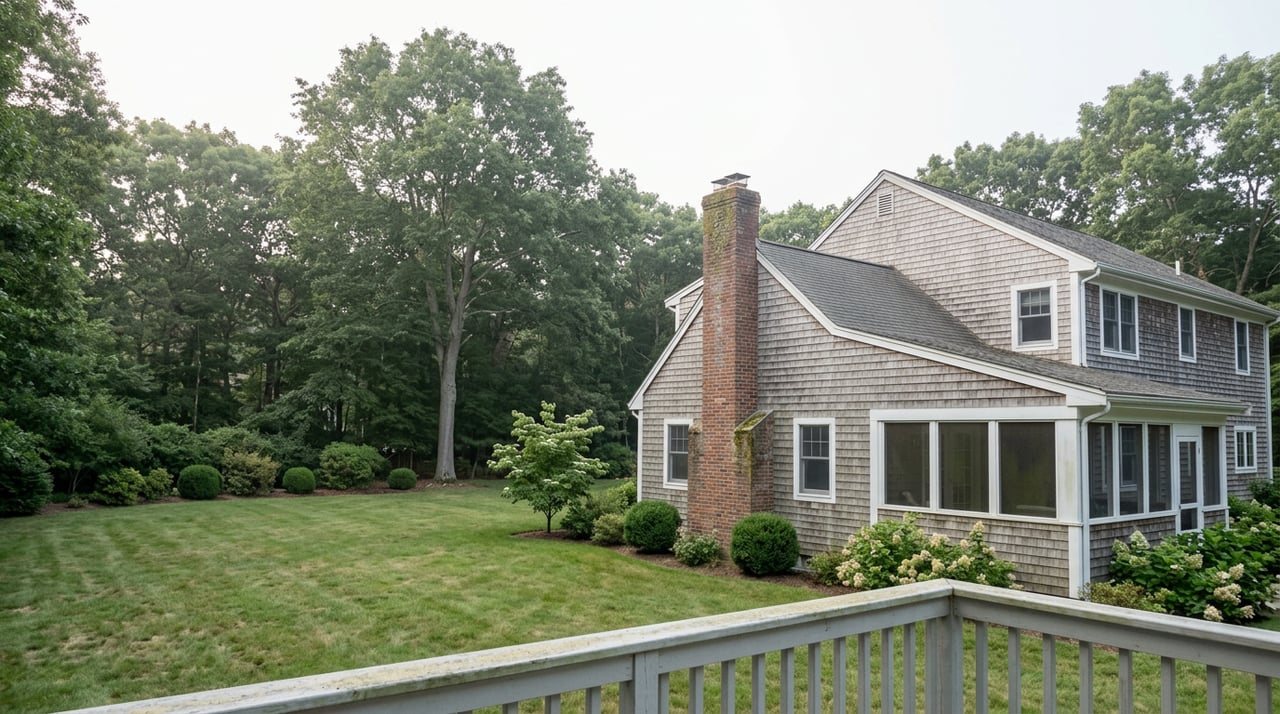
The Broadneck peninsula listing was ten days from settlement. Inspection done, financing cleared, movers booked. Then the title company asked for something nobody on either side of the table had budgeted extra time for: written proof that both buyer and seller had received the septic pump-out confirmation, not just the inspection report. The closing slid two weeks.
That delay had nothing to do with a failing system. It had to do with a piece of Maryland legislation most people in a home sale never hear about until it stops their settlement cold.
The Rule Everyone Already Knows
According to Septic Tank Hub, Anne Arundel County has required a certified septic inspection before a home on a private system can change hands for years. It is one of only a handful of Maryland counties that mandate this at the point of sale, alongside Baltimore, Carroll, Frederick, Harford, and Queen Anne's counties. The seller typically arranges and pays for it. The inspector uncovers the tank lids, pumps the tank so the interior can be checked for cracks and baffle failure, evaluates the drainfield for saturation or surfacing effluent, and tests any mechanical components before sending a report to the county health department. If the system fails, it has to be repaired or replaced before the sale can close.
None of that changed this year. What changed sits one layer above it, in who is allowed to perform that inspection and what has to happen with the paperwork before anyone can sign off on settlement.
What Actually Changed in 2026
Maryland's General Assembly passed HB 146 and its cross-file SB 165 earlier this year, creating a statewide licensing framework for on-site wastewater property transfer inspectors under Title 9, Subtitle 11A of the Environment Article. Emergency regulations putting the licensing provisions in place took effect December 31, 2025, and expired May 24, 2026, functioning as a bridge while the permanent rules took hold. The state's Board of On-Site Wastewater Professionals is now the body responsible for who can legally sign a transfer inspection report in Maryland.
The provision that actually reaches a closing table is this: settlement on a contract cannot occur until the buyer and seller have both received a report on the property transfer inspection and confirmation of the pumping service. That is a hard procedural gate. The landlord-facing side of the same bill, requiring septic inspection and pumping before each new tenancy, has a longer runway, with compliance required by July 1, 2028. But the buyer-seller settlement certification is the piece already shaping transactions on the ground this year.
| Before 2026 | Now | |
|---|---|---|
| Inspection required at sale | Yes, county mandate | Yes, unchanged |
| Who can perform it | Must hold a license under the new state Board framework | |
| Settlement requirement | Report and pump confirmation received | |
| Landlord rental systems | Inspection and pump-out required before each new tenant, phased in through July 1, 2028 |
Coordinating the Inspection and Pump-Out
While the bill worked its way through Annapolis, at least one septic contractor flagged a gap worth knowing about even now that the framework is law. Superior Septic Services submitted written testimony arguing that pump-outs and inspections need to happen in the same visit, not as two separate appointments scheduled days apart. They said separate appointments could make it harder to assess issues such as backups, ponding, or a stressed drainfield.
Whether that specific sequencing requirement made it into the final version of the law or not, it is exactly the kind of detail a buyer's agent should be building into a contract regardless. If your septic contingency allows the pump-out and the inspection to be scheduled independently, ask for them to happen on the same day, with the same inspector present for both. That timing may address the concern about separate appointments.
Two Different Rules, Two Different Wallets
Here is where a lot of buyers get confused, and where a seasoned local advisor earns their keep. The county's point-of-sale septic mandate is typically the seller's cost. But the standard Maryland REALTORS contract form, the On-Site Sewage Disposal System Inspection and Test Addendum, sets up a separate contingency that is contingent on an inspection performed at the buyer's expense and at the buyer's sole risk of property damage. In practice, many buyers layer a more detailed inspection, sometimes including a camera scope of the lines or additional water testing, on top of the county-mandated evaluation the seller already produced.
Those are two different inspections serving two different purposes, paid for by two different parties, and a buyer who assumes the seller's county compliance report covers everything they want to know about the system is skipping a step that could matter at settlement.
What This Means If You're Selling a Septic Home This Fall
If you're listing a property on a private system in Broadneck, Mayo, Edgewater, Arnold, Gambrills, Crownsville, or anywhere else in the county's unsewered pockets, order the compliance inspection early rather than waiting for a ratified contract. The new licensing framework means the pool of inspectors legally authorized to sign a transfer report has been reshuffled this year, and a newly licensed system can mean scheduling friction that didn't exist when any certified contractor could do the work. A typical inspection runs $400 to $700 depending on system complexity and access, and that number holds whether the market is fast or slow.
Confirm your inspector's license status under the current Board framework before you pay for the report, not after a title company kicks it back.
What Buyers Should Ask Before Writing an Offer
- Is the system a conventional septic tank or a Best Available Technology unit, since BAT systems in the Chesapeake Bay Critical Area carry a mandatory two-year service contract
- Can the seller produce the county health department's file on the system, including any prior repair or replacement permits
- Will the pump-out and the inspection be scheduled together, with the same inspector documenting both
- How much contingency time is built into the contract given that inspector scheduling may run longer this year than in past cycles
Cross the county line into Calvert and local requirements may differ. Anne Arundel buyers and sellers are working inside a more structured system, but structured does not mean simple, especially in a year when the structure itself just changed.
A Few Questions We Hear Often
Who pays for the pump-out if it's required for the county compliance inspection? That cost is generally bundled into the seller's compliance inspection, since the tank has to be pumped to check the interior condition regardless of whether the state's newer pump-out rule applies to your transaction.
A septic system rarely makes or breaks a home's value on its own. What it can do is stall a closing by weeks if the paperwork gets treated as an afterthought instead of a scheduling priority from day one. If you're weighing a sale or a purchase on a private system anywhere in Anne Arundel County this fall, Jeannine Wayson has been reading the fine print on transactions like this for two decades and can walk you through exactly what your contract needs before you're staring down a settlement delay. Let's Connect — Schedule a Free Consultation.
This article is general information, not legal, tax or financial advice. Consult a qualified professional about your situation.