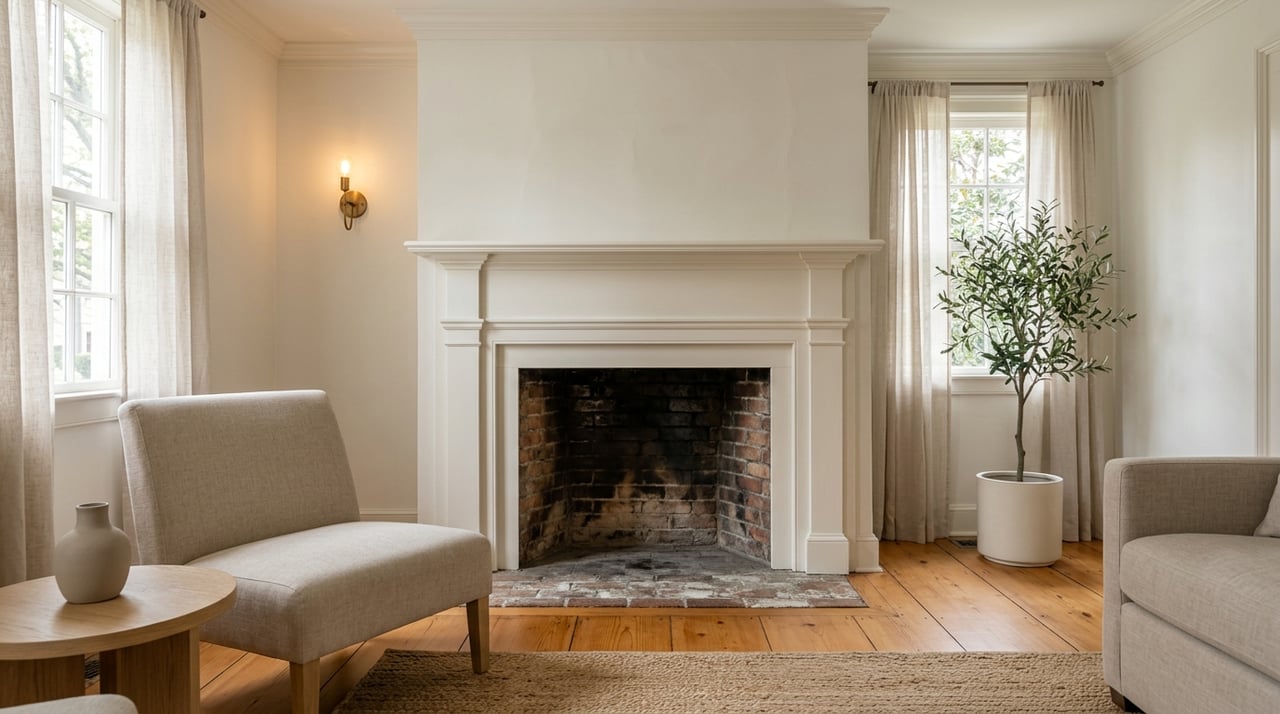
Wondering how to make a historic Annapolis home feel fresh to buyers without stripping away the details that make it special? That balance matters more than ever, especially in a market where buyers often fall in love online before they ever step through the front door. If you are preparing to sell, the goal is not to make your home look generic. It is to help buyers see its architecture, craftsmanship, and livability clearly. Let’s dive in.
Why character matters in Annapolis
Historic Annapolis homes do not fit one simple mold. According to Historic Annapolis, the city includes Georgian, Federal, Greek Revival, Victorian-era, Colonial Revival, Craftsman, and vernacular houses, each with its own visual language.
That variety shapes what buyers notice. In many Annapolis historic homes, people are responding to symmetry, masonry, original woodwork, staircases, fireplaces, windows, and proportion just as much as square footage or new finishes. In fact, Historic Annapolis notes that the city has a higher proportion of Georgian buildings than any other American city, which makes architectural authenticity a major part of the appeal.
Stage the architecture first
When you stage a historic home, the house itself should lead the story. The best presentation does not compete with period details. It frames them.
The City of Annapolis Historic District Design Manual emphasizes preserving original and historic features, retaining historic character, and repairing distinctive elements rather than replacing them when possible. For sellers, that means staging should feel edited and respectful, not overly decorative or themed.
A good rule is simple: make the architecture the hero. That means keeping sightlines open to fireplaces, stair rails, built-ins, moldings, original flooring, and window trim. It also means using furniture and accessories that support the room’s scale instead of overwhelming it.
Match staging to the home’s style
Different historic styles benefit from different staging choices. In Annapolis, understanding the home’s design can help you decide what to highlight.
Georgian homes
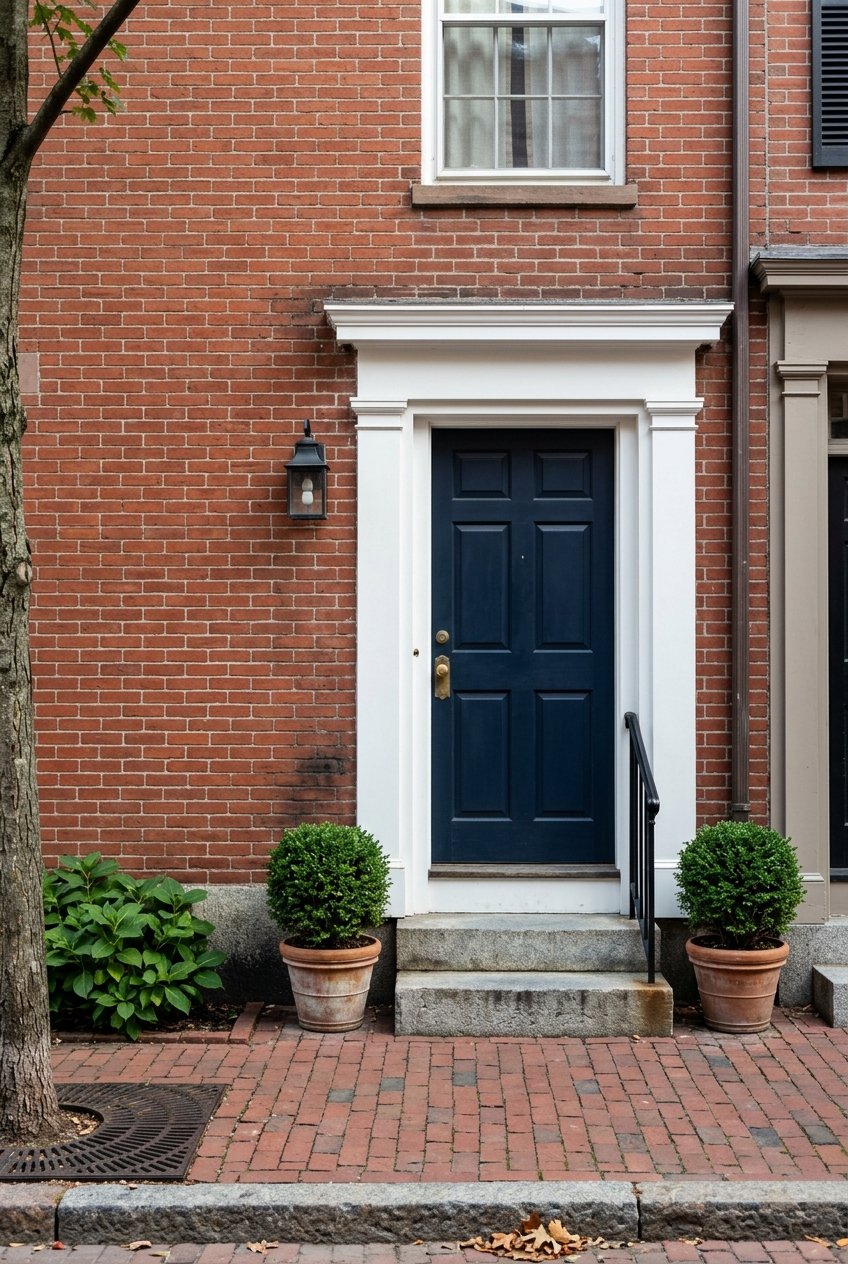
The city design manual notes that Georgian homes are often symmetrical, with centered front doors, evenly spaced windows, and refined moldings. In these homes, staging should reinforce order and balance.
Try paired lamps, centered artwork, and seating arrangements that echo the room’s symmetry. If the home has notable brickwork, pediments, or formal trim, keep nearby surfaces simple so those details stand out in photos.
Federal homes
Historic Annapolis describes Federal homes as lighter and more delicate, often featuring fanlights, Palladian-style windows, keystones, and restrained ornament. These rooms usually benefit from a lighter touch.
Choose airy furnishings, minimal accessories, and a layout that lets natural light move through the space. If there is a graceful entry or elegant window detail, avoid bulky pieces that block the view or make the room feel heavy.
Greek Revival homes
Greek Revival homes in Annapolis often show simple, temple-like proportions and restrained entrances. Staging should follow that same sense of discipline.
Clean-lined furniture, calm color choices, and minimal decorative clutter usually work best. The goal is to underscore the home’s proportions and quiet strength, not fill every corner.
Victorian-era homes
Victorian-era homes often include bay windows, brackets, verandas, and richer color, according to Historic Annapolis. These homes can handle a bit more texture, but restraint still matters.
Use a few thoughtful layers, such as upholstery, rugs, or art, to make rooms feel warm and welcoming. At the same time, avoid over-accessorizing. Buyers should notice the bay window or veranda first, not a crowded collection of decor.
Focus on the rooms buyers notice most
Not every room needs the same level of staging. The most important spaces are the ones buyers pay closest attention to online and in person.
The National Association of Realtors 2025 staging survey found that the rooms staged most often were the living room, primary bedroom, and dining room. That is especially relevant in historic homes, where these rooms often showcase the most memorable trim, windows, fireplaces, and architectural detail.
If you are prioritizing your budget, start with:
- Living room to highlight fireplaces, built-ins, and main gathering space
- Primary bedroom to create a calm, spacious feeling
- Dining room to support formal character and entertaining potential
- Entry to establish the home’s architectural tone right away
In many Annapolis homes, even a simple upstairs hallway or stair landing can photograph beautifully if it shows original railings, trim, or window placement. Those moments help tell the home’s story.
Stage for photos first
Today, staging is not just about showings. It is about the listing gallery.
NAR’s 2025 home buyer findings show that among buyers who used the internet, photos were the most useful feature for 83%, followed by detailed property information, floor plans, and virtual tours. NAR also notes that photos often determine whether a buyer clicks into a listing in the first place, which makes visual presentation one of the most important parts of your launch strategy.
For a historic Annapolis home, that means every room should be prepared to read well in still images. Good staging helps buyers understand scale, flow, and condition while keeping original details visible.
What photographs well in historic homes
The strongest listing photos usually highlight:
- Façade and front entry
- Original windows and natural light
- Fireplaces and mantels
- Staircases and railings
- Moldings and trim
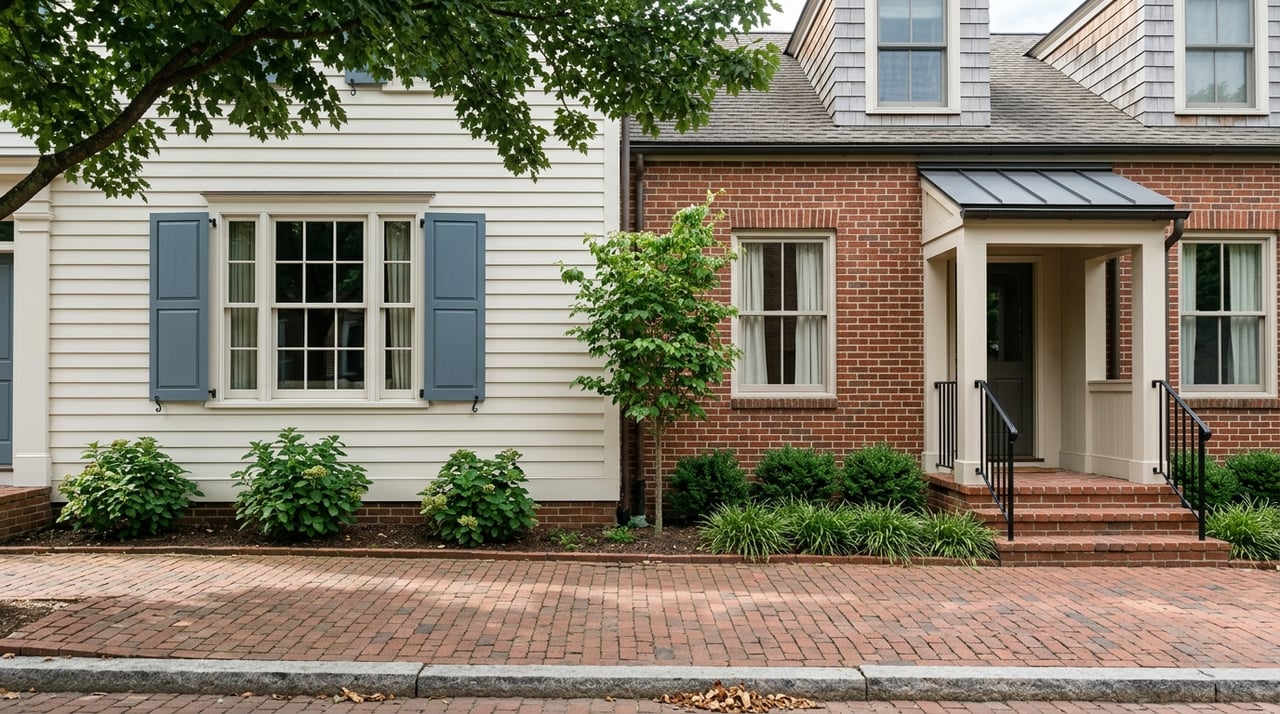
- Brickwork or masonry details
- Porches, verandas, or bay windows
- Original flooring and built-ins
As NAR advises for online visibility, clear and relevant listing copy should support the visuals. In a historic home, that means naming the details that make the property distinctive rather than relying on vague or overly clever marketing language.
Use preservation-friendly updates
If your home needs some pre-listing attention, a conservative approach is usually the safest one. In Annapolis’ historic district, exterior changes are reviewed by the city’s Historic Preservation Division, and Historic Annapolis also notes that exterior changes within the local historic district require approval by the Historic Preservation Commission.
The city’s design manual is especially clear about preserving original features. It discourages synthetic substitute materials that obscure historic character and states that vinyl and metal-clad replacement windows are not permitted. It also notes that clear, non-tinted glass is required except in limited cases such as replacing original stained glass.
For most sellers, this points to a practical strategy: repair what exists, clean thoroughly, and refresh carefully. Thoughtful painting, maintenance, and repair can improve presentation without creating compliance issues or erasing details that buyers value.
What to do before listing
If you are not planning a full staging package, the basics still matter. NAR reports that common preparation steps include decluttering, fixing property faults, professional cleaning, carpet cleaning, painting, and landscaping.
In a historic Annapolis home, these steps often make the biggest difference:
- Remove excess furniture so room proportions are easier to read
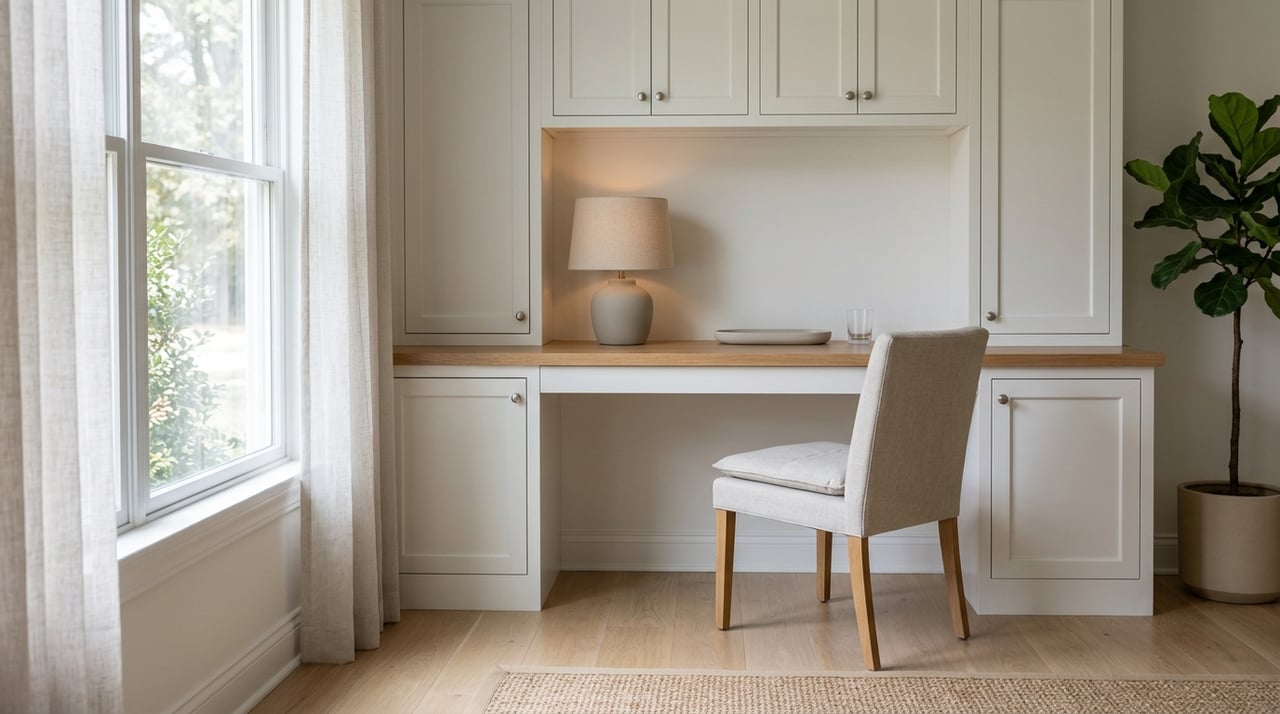
- Clear mantels, window sills, and built-ins so craftsmanship stands out
- Deep clean floors, trim, windows, and fireplaces
- Touch up paint where needed with care
- Replace distracting or worn textiles
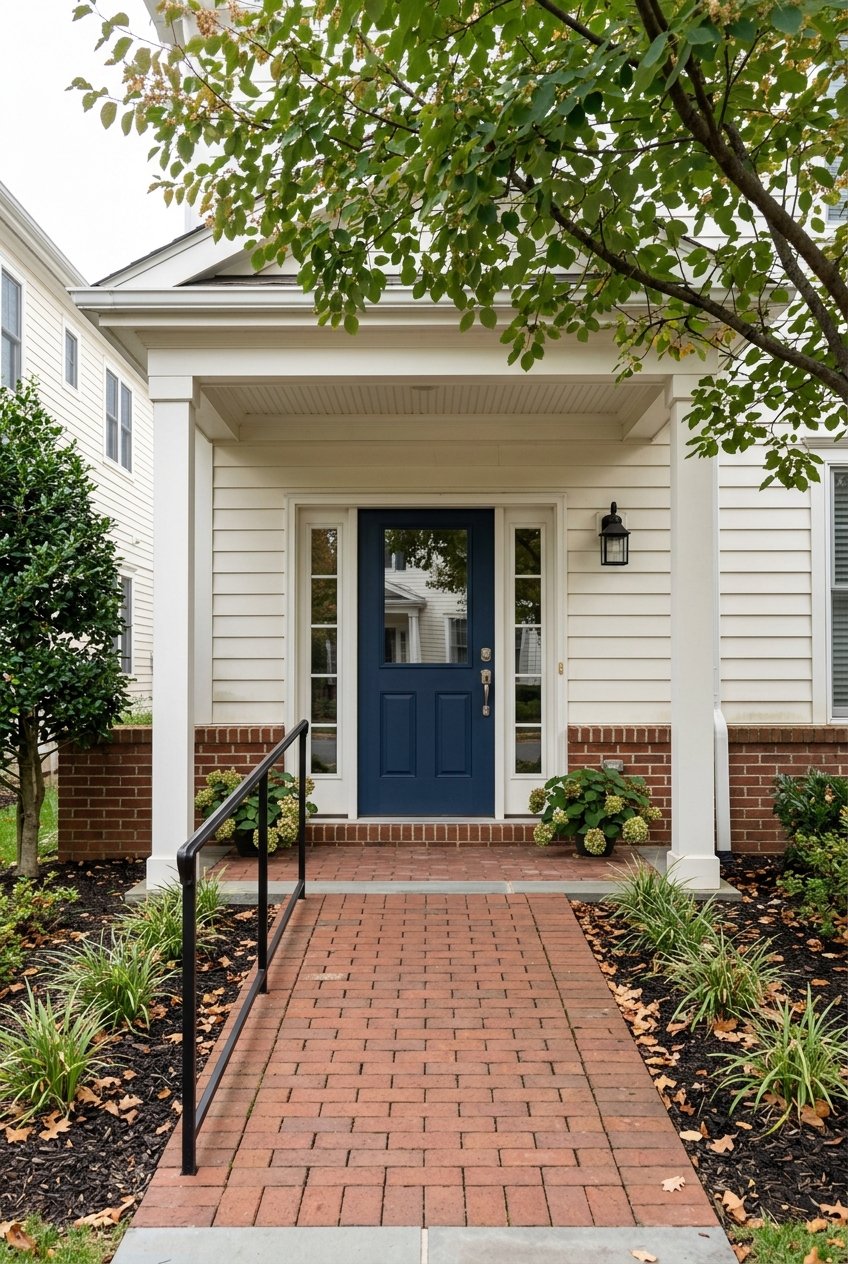
- Improve exterior curb appeal with tidy landscaping and a clean entry
These updates help the home feel cared for rather than overworked. Buyers are more likely to appreciate age and authenticity when the property feels clean, maintained, and thoughtfully presented.
Avoid staging mistakes that hide character
Historic homes can lose their edge when staging becomes too trendy or too heavy-handed. The point is not to erase age. It is to present it with clarity.
Try to avoid:
- Oversized furniture that blocks windows or compresses room flow
- Thick rugs that hide original flooring
- Excessive decor on mantels, shelves, or stair landings
- Faux-period themes that feel staged rather than authentic
- Quick exterior fixes that may conflict with preservation guidance
NAR’s research also suggests that staging should be framed realistically. While staging can improve buyer perception and help a home show better, it is not a guaranteed price booster. In a distinctive property, its strongest value is often in helping buyers understand what makes the home special.
Think of staging as storytelling
The best staging for a historic Annapolis home tells a clear story. It shows buyers how the home lives today while respecting what has made it endure.
That might mean a balanced seating plan in a Georgian parlor, a light and open arrangement in a Federal-style room, or a quiet reading chair near a tall original window. Each choice should help buyers imagine daily life there without distracting from the craftsmanship around them.
If you are preparing to sell a historic property in Annapolis, thoughtful staging can help your listing feel polished, credible, and true to the house itself. And when your marketing, photography, and presentation all work together, buyers are far more likely to see the value in what you have preserved.
If you want help creating a preservation-minded listing strategy for your Annapolis home, Jeannine Wayson offers experienced, thoughtful guidance tailored to the property, the market, and your goals.
FAQs
What does staging a historic Annapolis home involve?
- Staging a historic Annapolis home usually means decluttering, selecting appropriately scaled furnishings, highlighting original architectural details, and preparing the home to photograph well without covering or competing with its historic character.
Should sellers renovate before listing a historic home in Annapolis?
- Not always. In many cases, careful cleaning, repair, paint touch-ups, and maintenance are a better pre-listing strategy than major visible changes, especially because exterior work in the historic district may require approval.
Which rooms matter most when staging a historic home for sale?
- The living room, primary bedroom, and dining room are often top priorities because NAR reports those are the rooms most commonly staged, and they often contain key architectural details buyers notice.
Do exterior changes to historic homes in Annapolis need approval?
- Yes, exterior changes within the local historic district generally require review or approval through the City of Annapolis Historic Preservation process, so sellers should ask early before starting visible work.
Does staging increase the sale price of a historic Annapolis home?
- Staging can improve buyer perception and help buyers visualize the home, but it should be viewed as a presentation tool rather than a guaranteed way to raise value or final sale price.