Ever wonder what it’s really like to live in the heart of historic Annapolis, not just visit for an afternoon? If you’re drawn to brick streets, waterfront views, and the energy of a walkable downtown, daily life here can feel both charming and practical. At the same time, living in Historic Downtown Annapolis comes with real tradeoffs, from parking routines to preservation rules. This guide will help you understand how the neighborhood works day to day so you can decide whether the lifestyle fits you. Let’s dive in.
What daily life feels like
Historic Downtown Annapolis has a close-knit, human-scale feel that shapes how you move through the day. According to the city’s historic-district manual, there is no single “typical streetscape” here because building sizes, street widths, setbacks, and uses vary from block to block.
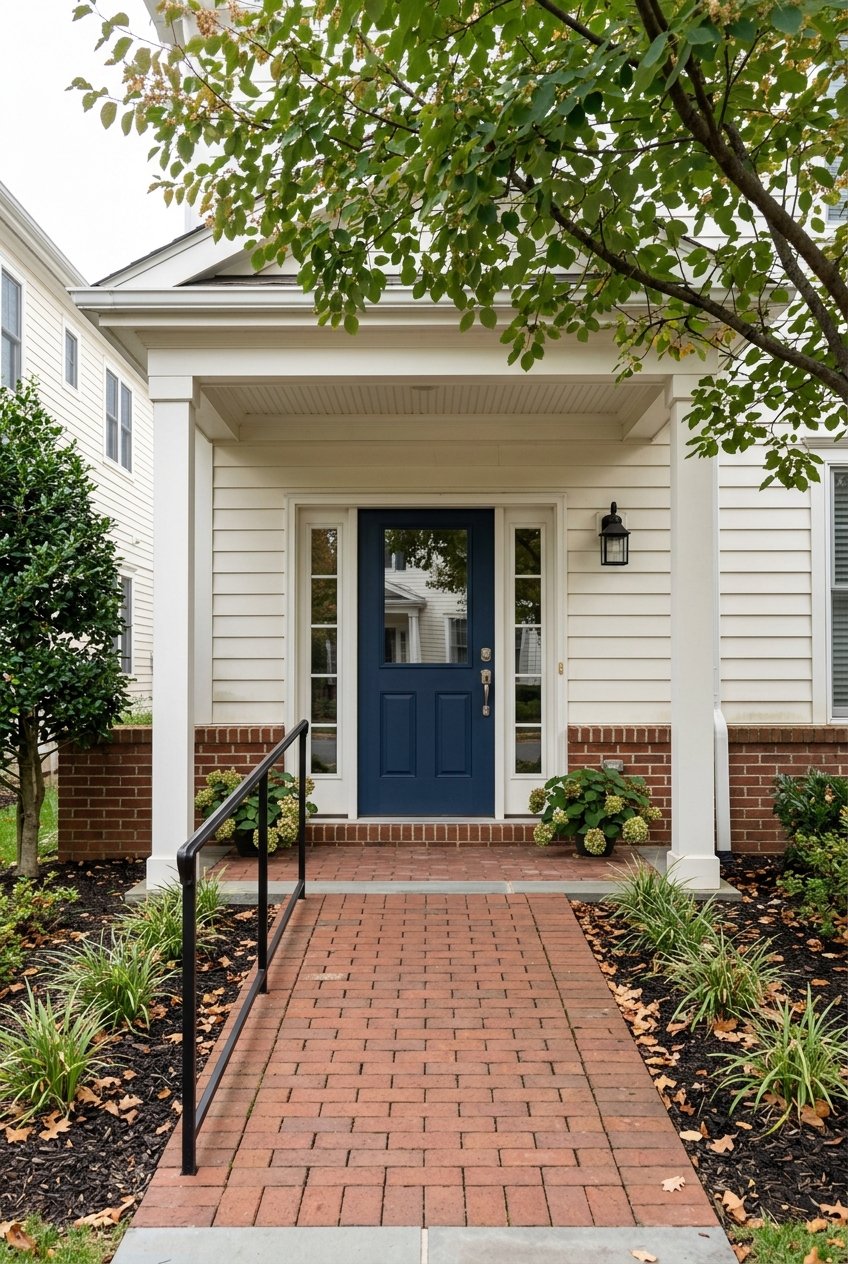
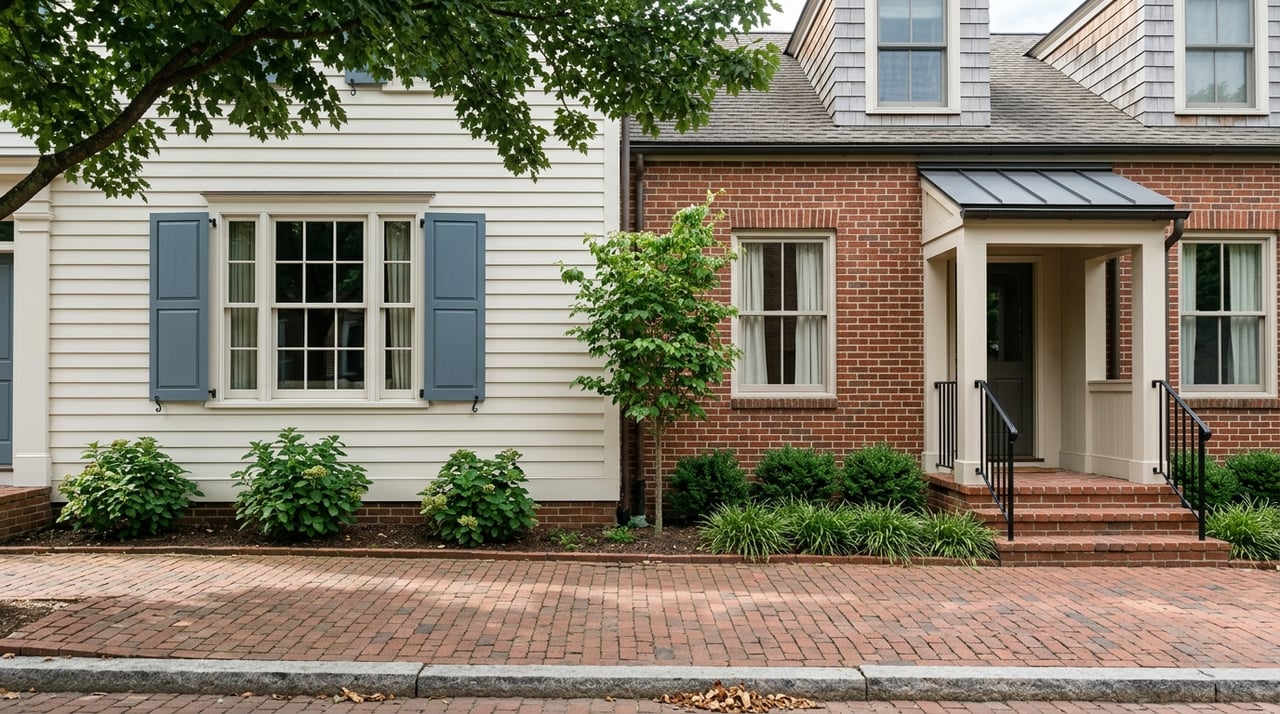
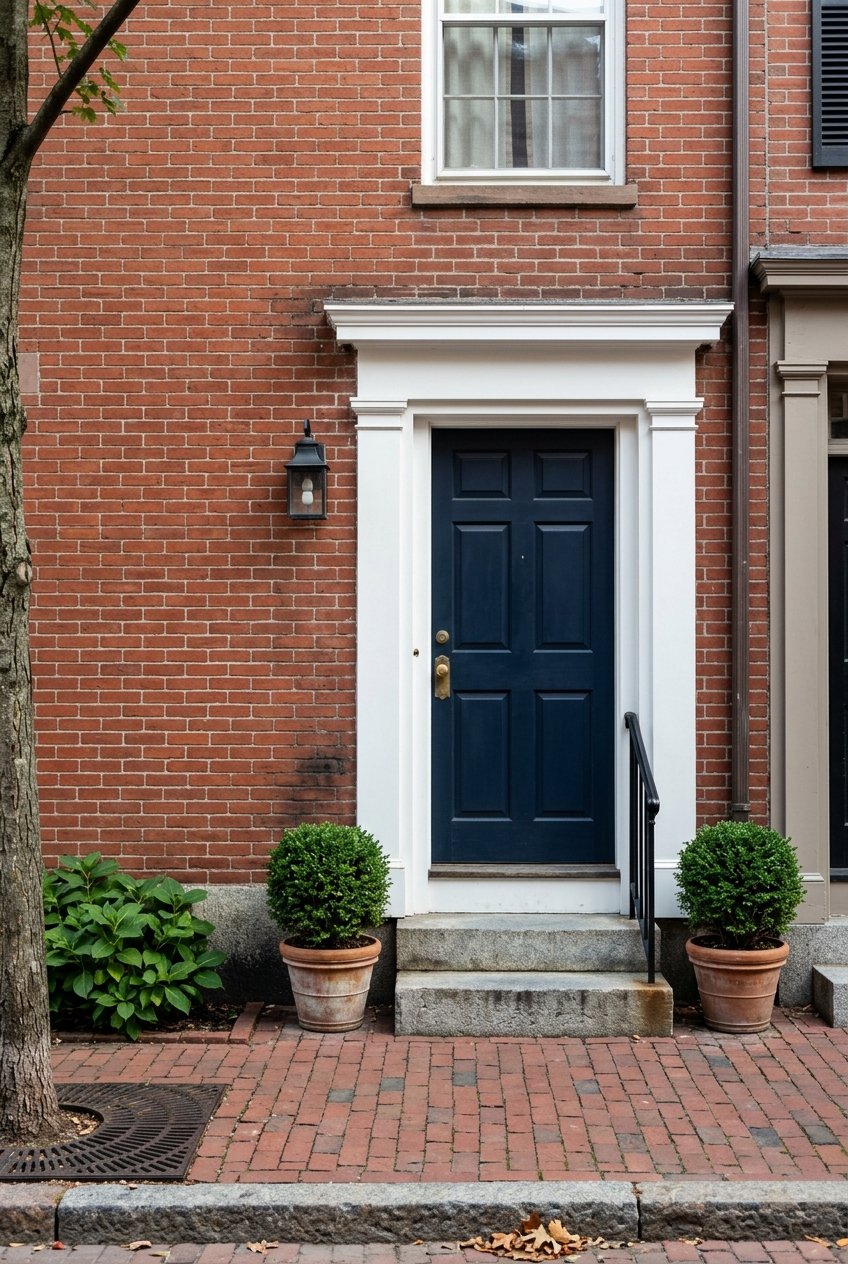
That variety is part of the appeal. Some streets feel compact and residential, while others blend homes, shops, offices, and waterfront activity. You notice porches, stoops, narrow streets, fences, vegetation, and older buildings all working together to create a setting that feels layered and lived-in.
For many buyers, that means downtown offers more texture than a newer planned neighborhood. You are not stepping into a uniform layout. You are stepping into a place with visible history and a street pattern that influences everyday routines.
Walking is part of the lifestyle
One of the biggest advantages of living downtown is how often you can leave the car parked. Visit Annapolis describes the area as walkable, with Main Street leading to City Dock and connecting to a dense mix of restaurants, shops, and public spaces.
In practical terms, that means errands, coffee runs, dinners, and waterfront strolls can all happen within a small area. Main Street, State Circle, Maryland Avenue, West Street, Market Space, Dock Street, and Compromise Street function as one compact district, which supports a more on-foot lifestyle.
If you value convenience without depending on long drives, this is a major draw. Many residents choose the historic core because daily living can feel more immediate and connected.
Getting around beyond walking
When you do need help getting across downtown, the city’s free electric trolley adds another layer of convenience. The Annapolis Current operates on weekends in the spring and summer and runs two loops that connect parking garages, Maryland Avenue, State Circle, Main Street, Dock Street, Market Space, and the Naval Academy gate area.
The broader local transit system also includes fixed-route buses, a free downtown shuttle or circulator, ADA paratransit, and on-demand service. That gives residents several ways to move through Annapolis without relying only on a personal vehicle.
This matters if you want flexibility. Even in a compact district, having backup transportation options can make downtown living easier during busy weekends, events, or peak visitor seasons.
Parking takes planning
Parking in Historic Downtown Annapolis is available, but it is managed, not casual. The city notes that downtown parking includes garages, lots, meters, monthly permits, and residential parking options, with enforcement handled by Premium Parking in the historic district and Annapolis Parking/SP+ elsewhere.
Visit Annapolis reports that paid parking generally runs Monday through Saturday from 10 a.m. to 8:30 p.m. and Sundays from noon to 7:30 p.m. If you live downtown, it helps to think of parking as a system you learn rather than a convenience you assume.
For some buyers, that is a fair trade for walkability and location. For others, especially if you prefer easy curb parking or a more suburban setup, it may feel less convenient.
Waterfront living shapes the neighborhood
In downtown Annapolis, the water is part of everyday life, not just scenery. The Harbormaster manages public and private moorings, City Dock slips, bulkhead space, and more than 17 miles of shoreline, which reflects how closely the waterfront is tied to the city’s daily rhythm.
Ego Alley remains one of the best-known waterfront spots, where boaters dock and dine. People can also arrive by water, anchor near downtown or Eastport, and use water taxis, reinforcing how the harbor connects residents and visitors to the neighborhood.
If you enjoy boating, watching marine traffic, or simply living near active water access, downtown has a unique appeal. The waterfront is woven into local identity in a way that few communities can match.
Small-craft access adds everyday recreation
The city also supports smaller-scale waterfront use. Annapolis has dinghy docks at 22 street endings and allows limited small-vessel use at Kunta Kinte Park in Ego Alley.
For paddlers, the Harbormaster lists a paddle-craft rack permit option at Truxtun Park. Together, these options show that being near the water is not only for large-boat owners.
That can make downtown especially attractive if you like simple, frequent access to boating or paddling rather than occasional destination outings.
City Dock construction affects routines
It is important to know that City Dock is in a period of change. The city says the City Dock Resiliency Project is underway from 2026 through early 2028, with many slips closed and some services suspended during construction.
The long-term goal is to improve public space, access, and flood protection along Annapolis’ historic waterfront. In the short term, though, some normal access patterns and routines are affected by construction and periodic closures.
For residents, this is best viewed as both an inconvenience and an investment in the future of the waterfront. If you are considering a downtown move during this period, it helps to factor current conditions into your expectations.
Shops, restaurants, and culture stay close
Downtown Annapolis offers more variety than many people expect from such a compact area. Visit Annapolis describes a restaurant scene that ranges from casual seafood spots to fine dining and international cuisine.
The Downtown Annapolis Partnership says downtown includes about 90 stores with a broad retail mix, including clothing, jewelry, pottery, local crafts, galleries, home furnishings, wine, gifts, and spice shops. That means daily life can include both practical errands and enjoyable browsing within a short walk.
For many residents, this mix is a big part of the value. You are not only buying a home. You are buying proximity to experiences that can make ordinary days feel more interesting.
The arts are part of local identity
Arts and culture play a visible role in downtown life. The Annapolis Arts District is a state-designated arts district created at the request of city, county, and state officials.
Maryland Hall adds to that identity by serving as a regional cultural hub with more than 300 classes each season, along with performances, film screenings, and exhibitions. If you enjoy creative spaces and regular programming, you do not have to leave the area to find it.
That steady cultural presence gives downtown a year-round sense of activity that goes beyond dining and shopping.
Events bring energy and disruptions
Living downtown means sharing your neighborhood with a busy event calendar. Recurring events include the First Sunday Arts Festival on West Street and Calvert Street from May through November, along with Paint Annapolis, the Grand Illumination near Market House and City Dock, the Chocolate Binge Festival, and the fall power and sailboat shows.
These events give the district a lively, festive rhythm. They also bring temporary street closures, parking restrictions, and traffic changes, as city notices regularly point out.
For many residents, that is part of the fun of living in the center of things. Still, it helps to be honest about your preferences. If you love activity and public events, this can be a strong fit. If you want a quieter environment with minimal disruption, the lifestyle may feel less comfortable.
Homes reflect the historic setting
Housing in the Annapolis Historic District is shaped by a mix of zoning categories, including single-family residential, general family residential, conservation residence, conservation business, professional office, waterfront maritime conservation, waterfront maritime EastPort, and mixed-use districts. The city’s street-by-street zoning table shows that downtown blocks can differ significantly from one another.
That variety helps explain why the housing stock feels distinctive. The historic-district manual points to a mix of large and small dwellings, along with human-scale windows and doors, porches, stoops, and narrow streets.
If you are comparing downtown to newer communities, you will likely notice more architectural variety and a different relationship between homes and the street. That is often a major reason buyers are drawn to historic Annapolis in the first place.
Ownership includes preservation oversight
One of the most important practical differences downtown is preservation review. The city’s Historic Preservation Division reviews exterior changes in the Annapolis Historic District and also administers the tax credit program.
The city’s preservation and sign guidelines require approval for new signs and other visible exterior alterations in the district. In simple terms, ownership here tends to be more preservation-sensitive than ownership in a newer suburban neighborhood.
That does not have to be a negative. Many owners value the consistency and stewardship that come with preservation standards. Still, if you want maximum freedom to change exterior features without oversight, this is something to understand before you buy.
Who tends to enjoy this lifestyle most
Historic Downtown Annapolis tends to appeal to buyers who want a walkable, water-oriented, activity-rich setting. It can be a strong match if you enjoy being near restaurants, shops, arts venues, waterfront access, and recurring public events.
It may also appeal if you appreciate historic architecture and are comfortable with the responsibilities that come with preservation rules. Buyers looking at condos, townhomes, historic residences, or marina-access properties often find the area especially compelling.
Based on the city’s parking, zoning, and preservation framework, the lifestyle may be a weaker fit if your top priorities include large yards, easy curb parking, or broad flexibility to remodel visible exterior elements. The right fit comes down to how you want your daily life to feel.
Why local guidance matters
Downtown Annapolis is rewarding, but it is not a one-size-fits-all neighborhood. Block-by-block differences, parking arrangements, zoning context, and preservation review can all influence which property feels right for you.
That is where local insight becomes especially valuable. If you are buying, selling, downsizing, or exploring a move into the historic core, it helps to work with someone who understands both the charm and the practical realities of this market.
If you’re thinking about a move in Annapolis, Jeannine Wayson can help you evaluate whether Historic Downtown Annapolis fits your lifestyle and goals with clear, experienced guidance.
FAQs
What is everyday life like in Historic Downtown Annapolis?
- Everyday life in Historic Downtown Annapolis is shaped by walkable streets, varied historic blocks, waterfront activity, local shops and restaurants, and a steady calendar of arts and community events.
How walkable is Historic Downtown Annapolis for residents?
- Historic Downtown Annapolis is highly walkable, with Main Street, City Dock, Maryland Avenue, State Circle, West Street, Market Space, Dock Street, and Compromise Street connected in a compact area.
How does parking work in Historic Downtown Annapolis?
- Parking in Historic Downtown Annapolis is managed through garages, lots, meters, monthly permits, and residential parking options, with enforcement and paid parking schedules set by the city and downtown parking operators.
What should buyers know about historic preservation in downtown Annapolis?
- Buyers should know that exterior changes and other visible alterations in the Annapolis Historic District may require review and approval through the city’s Historic Preservation Division and related guidelines.
Is Historic Downtown Annapolis a good fit for waterfront living?
- Historic Downtown Annapolis can be a strong fit for waterfront living if you value daily access to the harbor, boating culture, dinghy docks, water taxis, and shoreline activity as part of your routine.
How do downtown Annapolis events affect residents?
- Downtown Annapolis events add energy and cultural activity, but they also often bring temporary street closures, traffic changes, and parking restrictions that residents should expect.
What types of homes are found in Historic Downtown Annapolis?
- Historic Downtown Annapolis includes a mix of property types shaped by several zoning categories, with homes and mixed-use buildings varying by block in size, use, and architectural character.